Featured
Table of Contents
Every person experiences grief in different ways. Your experience of pain and how you deal with it will certainly depend on different elements. These may include your age, previous experiences with sorrow and your spiritual or religious sights.
Anticipatory grief suggests sensation sad before the loss takes place. Instead of regreting for the person, who is still with you, you may really feel despair for things you will not obtain to do with each other in the future. When encountering a considerable loss, such as the death of a liked one, it is all-natural to feel lots of strong feelings.
This does not indicate you have given up on the individual or that you don't care for them. Individuals detected with a terminal health problem and those encountering the fatality of an enjoyed one might experience awaiting grief. If you have actually been detected with an incurable health problem, you may experience several emotions consisting of shock, worry and sadness.
Early Attachment Injuries and Achievement
You grieve lost opportunities or experiences you'll miss out on even tiny ones, such as the satisfaction of the sunlight or a hot mug of coffee. If somebody you like is facing an incurable disease, it prevails to experience anticipatory pain in the months, weeks and days prior to death. You may regret the very same points your liked one is mourning, or different losses altogether.
You may feel awaiting sorrow If your loved one is perplexed or subconscious for a very long time (e.g. with delirium or dementia). You might really feel that the person you knew is already gone, even if they are still physically there. If your liked one has a decrease in physical health or wheelchair, you might really feel anticipatory grief as you lose the opportunity to share experiences, such as leisure activities, holidays or occasions.
This is particularly true if you invest a whole lot of time taking care of the person. You might miss activities you made use of to enjoy together and feel despair regarding the adjustment in your connection. The nature of your relationship might alter as you tackle a carer's duty, or become the one being looked after.
Sensations of pain prior to fatality are typical it is necessary to recognise them, and to speak about them. Experiencing awaiting grief doesn't always mean that you will certainly regret your enjoyed one any type of much less after they are gone. Carers of people that are terminally ill might end up being more detailed to their enjoyed one, making their feelings of pain after death even a lot more extreme.
Healthy Boundaries for Helping Professionals After Burnout Recovery in Your Practice
Lifeline provides assistance for people experiencing emotional distress. Beyond Blue offers details and assistance for people experiencing psychological wellness troubles including sorrow. Griefline Call 1300 845 745 for support readily available to grownups matured 18 years and over. Mensline gives telephone and online therapy and assistance to males in Australia. Cancer Council gives information and support to people with cancer and their loved ones.
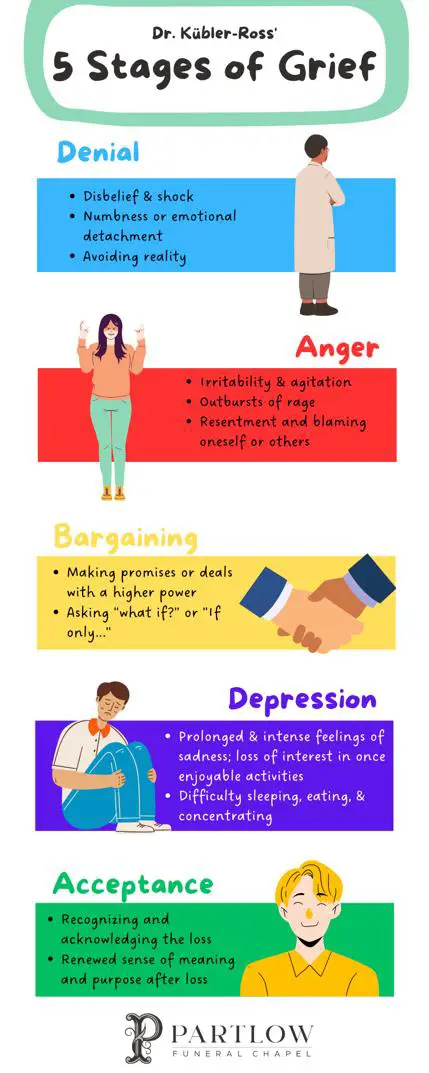
In fact, we do not experience sensations of despair one at a time or in a certain order. You might experience these points because they are all regular sensations of despair.
Some individuals really feel numb after the death of a person they cared about. If you experience this, it could be due to the fact that it's just also difficult to think that the person you recognize so well is not coming back.
Loss and Career Transitions in Healthcare Professionals
Maybe they promise themselves that they will now always do (or otherwise do) something, believing that it can make the person that has passed away returned. Or perhaps they think it will stop any person else passing away or other negative points happening. This is often called 'wonderful thinking'. People might additionally locate that they keep going back over the past and ask lots of 'what happens if' inquiries, desiring that they can return and alter things to make sure that they could have ended up in a different way.
These feelings can be extremely extreme and excruciating, and they may reoccur over several months or years. Most people locate that uncomfortable sensations like this become less strong over time. If you do not feel this holds true for you, after that you must request help.
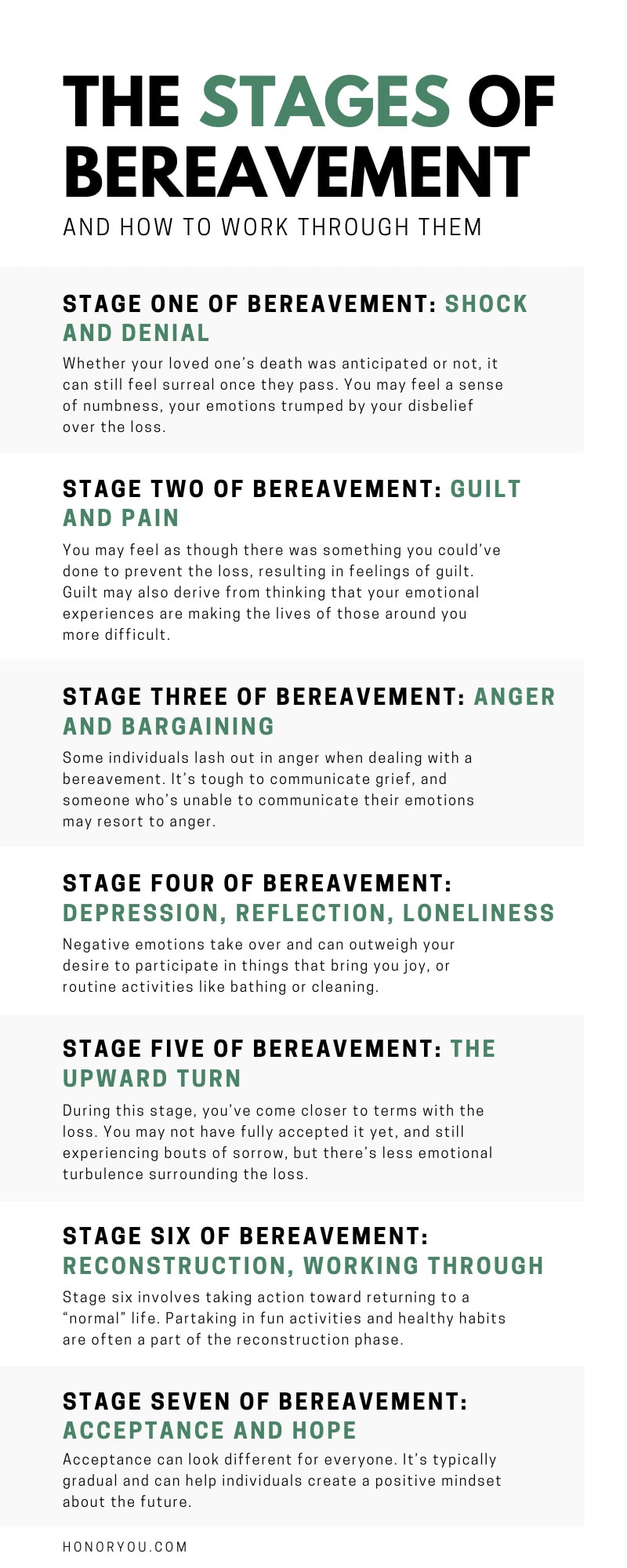
Her design came to be extensively approved as a means to understand sorrow, yet with time, pain counsellors and scientists expanded upon it, resulting in the growth of the. This prolonged model integrates extra psychological feedbacks that individuals may experience: The preliminary reaction to loss commonly brings shock and shock. This phase functions as a protective device, enabling us to absorb the fact of our loss in convenient doses.
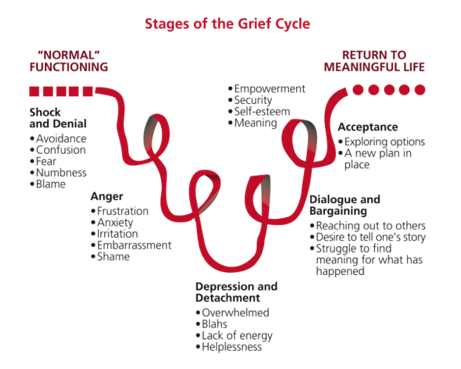
As the shock fades, deep psychological discomfort embed in. Feelings of regret or regret might arisewondering if you can have done something in different ways, or feeling grief over points left unsaid. It's vital to recognize these sensations instead of subdue them. Pain can materialize as angertoward yourself, others, and even the person who has actually passed.

Table of Contents
Latest Posts
Navigating Mourning Alongside Partnership Wellness in Denver
Combined Healing Strategies addressing Co-occurring Mental Health Issues
Building Safety in Physical Self Throughout Brainspotting in Lynnwood, WA
More
Latest Posts
Navigating Mourning Alongside Partnership Wellness in Denver
Combined Healing Strategies addressing Co-occurring Mental Health Issues
Building Safety in Physical Self Throughout Brainspotting in Lynnwood, WA